Control and Automation Backed by Proper Wiring
Smart Home Electrical Integration in San Juan Capistrano for homeowners adding connected devices and automation systems
Smart lighting, programmable thermostats, automated blinds, and whole-home audio systems require more than just plugging in devices—they need proper circuit design, reliable power delivery, and network infrastructure that supports constant connectivity without dropouts. Installation involves running dedicated circuits for smart panels, ensuring neutral wires exist in switch boxes for smart dimmers, and confirming your electrical system can handle the continuous low-level power draw these devices require. Check Your Shorts Electric Heating & Air LLC handles the electrical work that makes smart home technology function reliably rather than creating frustration with intermittent connectivity or devices that reset unexpectedly.
The service addresses wiring limitations in older homes where switch boxes lack neutral conductors, outlets are scarce in locations where smart hubs or mesh network nodes need placement, and circuits are already near capacity before adding automation systems. Properly designed installations include surge protection for sensitive smart devices, isolated circuits to prevent interference, and backup power considerations for systems that control security or climate functions.
Explore smart home upgrade options by scheduling a consultation to review your current electrical infrastructure and planned automation features.
Why Professional Installation Supports Reliable System Performance
Smart devices operate continuously even in standby mode, drawing small amounts of power and relying on stable voltage to maintain network connections and respond to commands. Circuits with loose connections, inadequate grounding, or voltage fluctuations cause devices to disconnect from the network, fail to respond to automation schedules, or require frequent resets. Proper installation eliminates these issues by ensuring clean power delivery and correct wiring configurations for each device type.
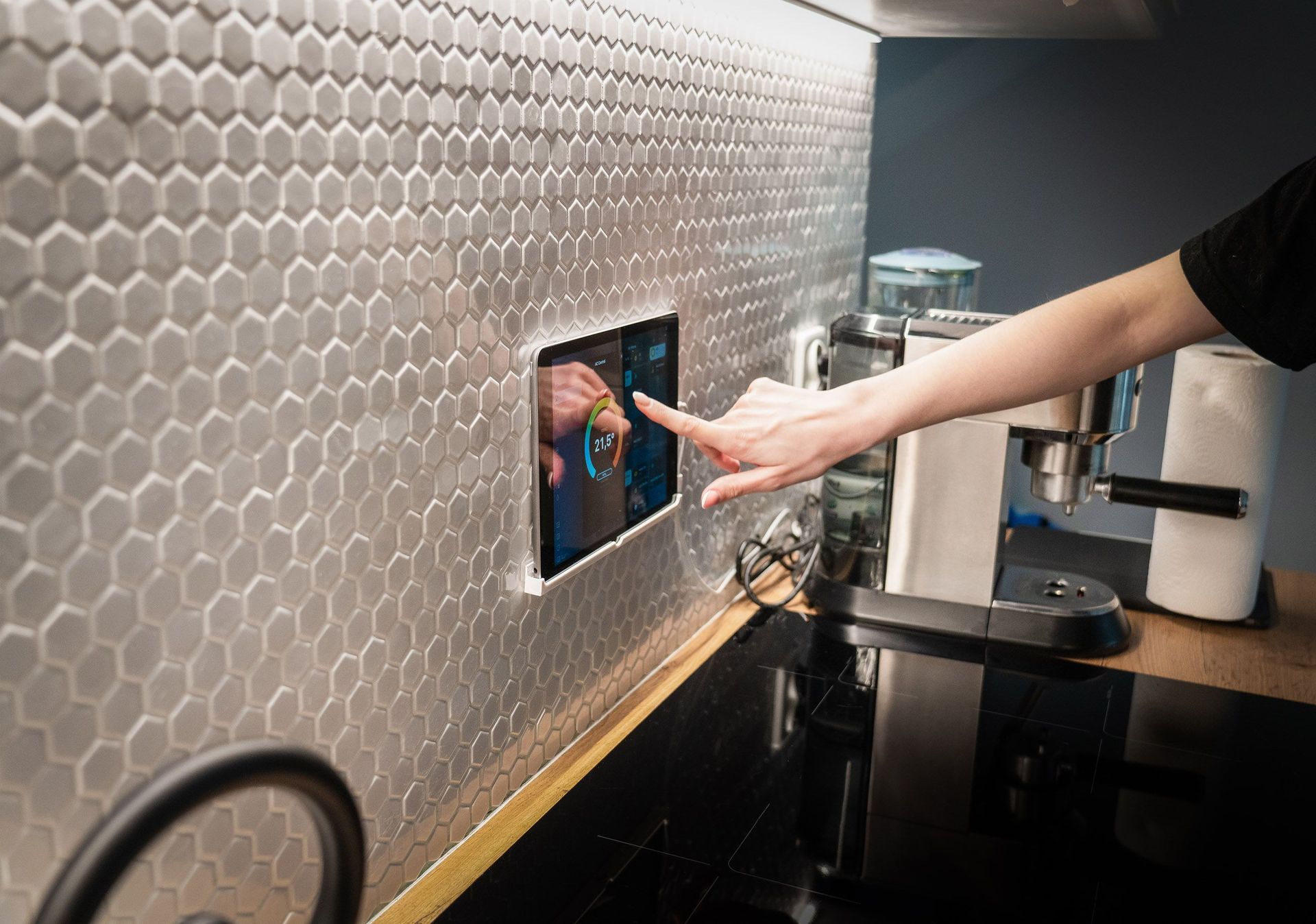
After integration, you control lighting, temperature, and connected devices through voice commands or mobile apps without switches failing to respond or scenes executing incorrectly. Automated schedules run consistently, sensors trigger actions reliably, and devices remain connected to your network without requiring manual intervention. Energy monitoring features provide real-time data on consumption patterns, and remote access lets you adjust settings from anywhere rather than being limited to on-site control.
Smart home systems can scale over time as you add devices or expand automation to additional rooms, but the underlying electrical infrastructure must support that growth. Installing the correct wiring and circuit capacity during initial integration prevents the need to rewire later when adding motorized shades, smart locks, or outdoor automation features.
Questions Before Starting Your Project
Homeowners planning smart home upgrades often ask about compatibility, infrastructure requirements, and how the installation process works.
What electrical work is required for smart lighting installation?
Smart switches and dimmers typically require neutral wires in the switch box to power their wireless radios and microprocessors, which many older homes lack, so installations may involve running new wiring or using specific smart switch models designed for two-wire configurations.
How do you ensure smart devices stay connected reliably?
Electricians verify the devices receive stable voltage, install dedicated circuits to prevent interference from high-draw appliances, confirm strong wireless signal strength at device locations, and ensure proper grounding to reduce electrical noise that disrupts communication.
What smart home systems are compatible with existing electrical setups?
Most systems work with standard 120-volt circuits, but devices like smart thermostats may require C-wires for continuous power, motorized window treatments need dedicated circuits rated for motor loads, and whole-home controllers often require hardwired network connections for reliable operation in San Juan Capistrano properties.
How does automation affect energy use?
Smart thermostats adjust heating and cooling based on occupancy and learning patterns, automated lighting turns off when rooms are unoccupied, and energy monitoring identifies high-consumption devices, all of which reduce unnecessary runtime and lower utility costs compared to manual control.
What happens if smart devices lose power during an outage?
Most devices reconnect automatically when power returns, but systems controlling security, climate, or critical functions benefit from battery backup or integration with whole-home generators to maintain operation during outages.
Check Your Shorts Electric Heating & Air LLC evaluates your current wiring, discusses your automation goals, and ensures the electrical infrastructure supports both current devices and future expansion. Set up an assessment to review your home's readiness for smart technology integration and identify any necessary electrical upgrades.