Electrical Capacity That Matches Current Demand
Panel Upgrades in San Juan Capistrano for properties with frequent breaker trips or outdated electrical distribution
Homes built more than 30 years ago often operate on 100-amp panels designed for far fewer appliances and devices than modern households require. When you add central air conditioning, EV chargers, electric water heaters, or home additions, the existing panel may lack the physical breaker slots or total amperage capacity to support the load safely. Check Your Shorts Electric Heating & Air LLC provides panel upgrades that replace outdated equipment with 200-amp or larger panels engineered to handle expanded electrical demand across San Juan Capistrano properties.
This service involves evaluating current panel age, total circuit count, and whether the main service line from the utility can support increased capacity. Breakers that trip repeatedly under normal use, warm panel covers, or burning odors near the panel indicate the system is overloaded or components are failing. Upgrading replaces the panel, installs new circuit breakers, and often includes service line upgrades coordinated with the utility to deliver adequate power to the property.
Request a panel evaluation to identify whether your current electrical system can accommodate planned upgrades or requires capacity improvements first.
What Proper Panel Upgrades Require
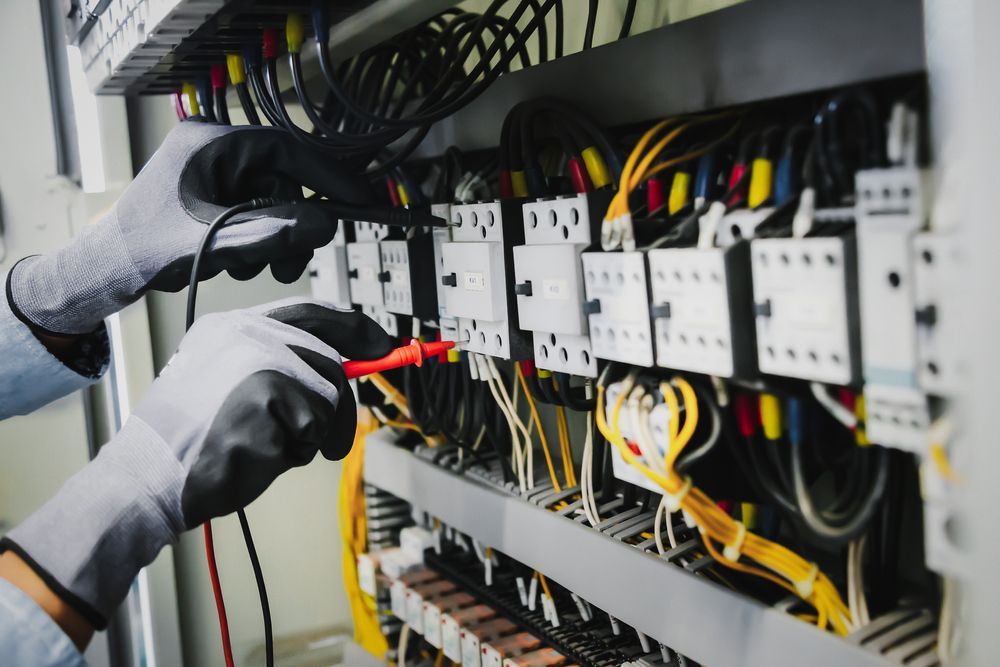
Panel replacement isn't just swapping one box for another—it requires verifying the main service line can carry the increased load, confirming grounding and bonding meet current code, and labeling every circuit clearly for future work. Older panels may use aluminum wiring or lack dedicated circuits for high-draw appliances, both of which get addressed during the upgrade to reduce fire risk and improve system safety.
Once the upgrade is complete, you notice breakers no longer trip when multiple appliances run simultaneously, new circuits support dedicated loads like EV chargers or workshop equipment, and the panel includes room for future additions without requiring another replacement. The system operates within its designed capacity rather than straining to keep up with demand.
Upgrades typically include whole-panel surge protection integration, arc-fault circuit interrupters for bedroom and living areas, and ground-fault protection for wet locations, all of which become code requirements during major electrical work. These additions improve safety beyond what the original panel provided.
Answers to Frequent Service Questions
Homeowners considering panel upgrades often want clarity on timing, capacity needs, and what the process involves.
What signals that my panel needs upgrading?
Frequent breaker trips, reliance on extension cords because outlets are scarce, visible rust or corrosion inside the panel, or the inability to add new circuits without removing existing ones all indicate the panel has reached its capacity or service life.
How do you determine the correct panel size for my home?
Electricians calculate total expected load by adding up the amperage requirements of all appliances, HVAC systems, lighting, and planned additions, then size the panel with 20 to 25 percent overhead capacity to accommodate future needs without another upgrade.
What happens during the panel replacement process?
Power gets shut off at the meter, the old panel is removed and wiring inspected, the new panel is mounted and circuits reconnected with proper labeling, grounding is verified, and the system is tested before restoring power and scheduling the final inspection.
How does a panel upgrade support solar or EV charger installation?
Both systems require dedicated high-amperage circuits that older panels often can't accommodate, and the main breaker must have enough remaining capacity to handle the additional load without exceeding the panel's rating, which is why upgrades often precede these installations in San Juan Capistrano homes.
What documentation do I receive after the upgrade?
You get a permit sign-off from the local building department, a detailed circuit directory showing what each breaker controls, and documentation of panel specifications and installed safety devices for future reference or resale disclosure.
Check Your Shorts Electric Heating & Air LLC handles permit applications, utility coordination, and inspections as part of the panel upgrade process. Arrange an on-site assessment to review your current panel condition and discuss capacity requirements based on your property's electrical use.