Charging Infrastructure Built Into Your Property
EV Charger Installation in San Juan Capistrano for homeowners and businesses adding electric vehicle charging capability
Installing an EV charger at your property eliminates reliance on public charging stations and ensures your vehicle is ready each morning without planning trips around charging availability. Check Your Shorts Electric Heating & Air LLC installs Level 2 charging stations that deliver 25 to 40 miles of range per hour, allowing most electric vehicles to fully charge overnight on a 240-volt circuit similar to what powers your dryer or oven. This service includes evaluating whether your existing electrical panel has available capacity or requires an upgrade before installation can proceed safely.
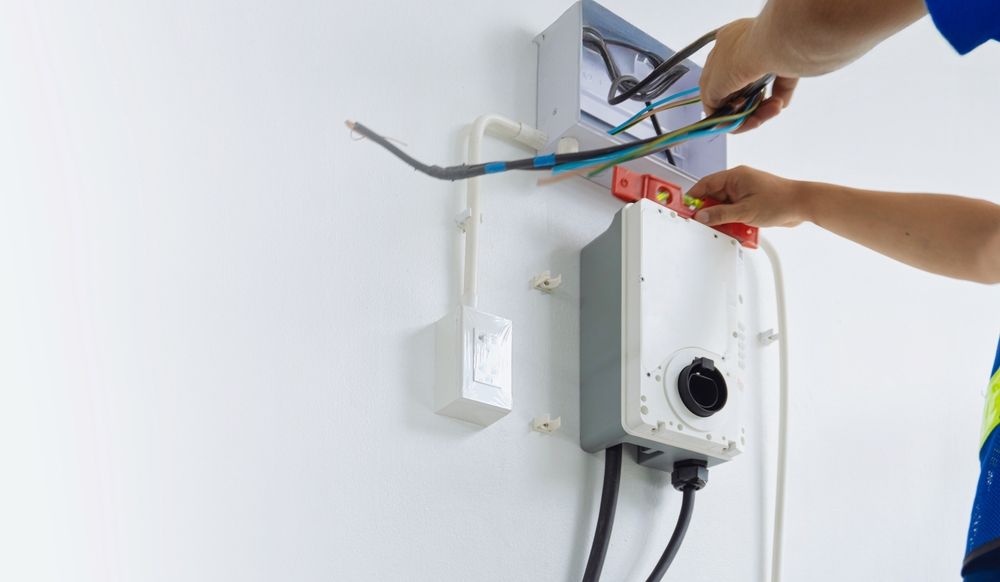
The installation process involves running a dedicated circuit from the panel to the charger location, mounting the charging unit in a garage or exterior wall, and configuring the system for compatibility with your specific vehicle's charging requirements. Panel capacity checks determine whether the main breaker can handle the additional 40 to 50-amp load without exceeding its rating, since simultaneous use of air conditioning, water heaters, and EV charging can push older panels beyond safe limits.
Schedule an EV charger consultation to assess your panel capacity and determine the best charger location based on parking layout and electrical access.
What Changes After Professional Charger Installation
Proper installation means the charger operates reliably without tripping breakers or creating voltage drop issues that affect other circuits. The circuit is sized to match the charger's maximum draw, wiring is protected in conduit where exposed, and the unit is mounted securely to handle the weight of the charging cable. GFCI protection is integrated to shut off power if ground faults are detected, reducing shock risk in garage or outdoor installations.
After installation, you plug in your vehicle each evening and wake up to a full charge without monitoring charging status or making late-night trips to public stations. The system operates quietly, the charger's indicator lights confirm connection status, and your vehicle's onboard computer communicates with the station to optimize charging speed and battery health. You avoid the higher per-kilowatt costs and time spent at commercial charging locations.
Charger installations can include smart features like app-based monitoring, scheduling to charge during off-peak utility rates, and load management systems that reduce charger output if the home's total electrical demand approaches panel capacity. These options add flexibility without requiring manual intervention each time you charge.
Common Questions About This Service
Property owners preparing for electric vehicle ownership typically ask about installation requirements and system compatibility.
What electrical requirements do EV chargers have?
Most Level 2 chargers require a dedicated 240-volt circuit with 40 to 60-amp capacity, similar to electric ranges or clothes dryers, and the panel must have physical space for a double-pole breaker along with sufficient overall capacity to handle the load.
How do you determine if my panel can support a charger?
Electricians add up the rated amperage of all existing circuits and compare that total to the panel's main breaker rating, then verify whether adding the charger's load keeps the system within safe operating limits or requires a panel upgrade first.
What charger models work best for residential installations?
Chargers with adjustable amperage settings offer flexibility if your panel capacity is limited, while hardwired units provide more reliable connections than plug-in models, and brands with UL listing meet safety standards recognized by local inspectors in San Juan Capistrano.
How long does installation typically take?
Straightforward garage installations with nearby panel access usually take four to six hours, while exterior installations requiring conduit runs or panel upgrades can extend to a full day depending on the distance between the panel and charger location.
What permits are required for EV charger installation?
Electrical permits are required for any new 240-volt circuit installation, and the work must pass inspection to verify proper circuit sizing, grounding, and GFCI protection before the charger is placed into regular use.
Check Your Shorts Electric Heating & Air LLC coordinates permit applications and inspections as part of the installation process, ensuring your charging system meets all code requirements. Set up a site visit to review your panel capacity, preferred charger location, and any necessary electrical upgrades to support reliable home charging.