
Infrastructure Designed for Long-Term Performance
Electrical Installations in San Juan Capistrano for new construction, remodels, and system upgrades requiring code-compliant wiring
Proper electrical installation requires more than connecting wires—it involves calculating load requirements, selecting appropriately sized conductors and protection devices, routing circuits to avoid interference with other building systems, and securing all components to withstand vibration and thermal expansion over decades of service. Check Your Shorts Electric Heating & Air LLC performs electrical installations in San Juan Capistrano for homes, businesses, and properties undergoing renovations that add rooms, equipment, or entirely new electrical systems. You see the difference in installations that pass inspection without corrections and operate reliably from the day power is energized.
Installation services cover complete system design and wiring for new construction projects, panel upgrades that increase capacity for modern electrical demands, circuit additions that support specific equipment or room additions, and equipment installations including EV chargers, dedicated appliance circuits, and lighting systems. Each installation follows electrical code requirements for conductor sizing, overcurrent protection, grounding, and accessibility.
Schedule an installation estimate to review your project requirements and receive detailed planning for electrical work.
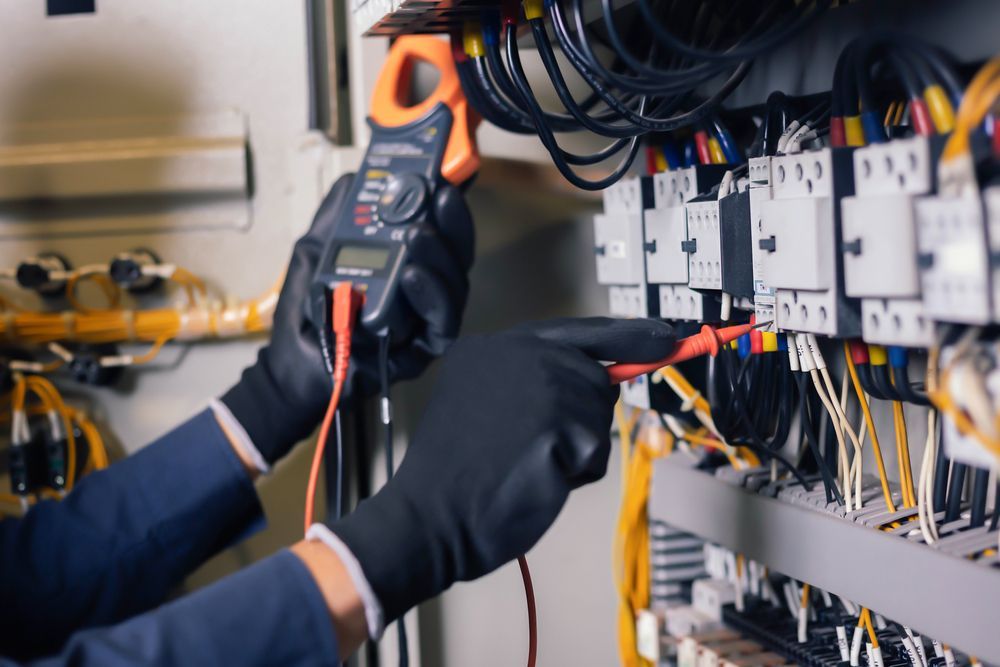
What Changes After Professional Installation Completes
Installation planning begins with understanding your total electrical load, identifying which circuits require dedicated protection, determining optimal panel location for future access and expansion, and selecting materials that match the installation environment and expected service conditions. Quality materials and proper workmanship determine whether your electrical system operates without problems for decades or requires frequent repairs within years of installation.
After installation, your electrical system delivers consistent power to all connected devices without voltage drop that dims lights when motors start, circuits are labeled clearly so you identify which breaker controls each area, all connections remain tight and cool during normal operation, and your panel includes spare capacity for future additions without requiring another upgrade. The installation meets code requirements that building inspectors verify before issuing occupancy permits.
Installation work includes coordination with other trades during construction or remodeling so electrical rough-in occurs after framing but before insulation and drywall, allowing inspectors to verify all concealed wiring before it becomes inaccessible. The process accounts for structural considerations like drilling through joists at approved locations and maintaining clearances around other utilities.
Common Questions About This Service
Property owners preparing for electrical installations typically want to understand what the process involves, how decisions affect long-term performance, and what distinguishes quality installations from work that barely meets minimum standards.
What information is needed before starting installation?
Accurate load calculations require knowing all equipment electrical ratings, understanding which devices operate simultaneously, identifying equipment that requires dedicated circuits like HVAC systems or kitchen appliances, and determining future expansion plans that affect panel size and circuit routing in San Juan Capistrano properties.
How long does electrical installation take?
Installation duration depends on project scope—a panel upgrade and several new circuits typically requires one to two days, whole-house rewiring takes one to two weeks depending on size and access, and new construction electrical rough-in occurs over days as framing completes and other trades coordinate their work.
Why do installation costs vary significantly between contractors?
Cost differences reflect material quality choices between minimum-code compliance and superior components, labor time invested in proper planning versus rushing installations, experience level that affects how efficiently work proceeds, and whether the contractor includes necessary permits and inspection coordination.
When during construction should electrical work happen?
Rough-in wiring occurs after framing inspection approval but before insulation, final device installation and panel energizing happen after drywall and painting, and fixture installation coordinates with finish work to avoid damage during other trades' activities.
What makes an installation future-proof?
Oversizing conduit allows wire upgrades without opening walls, installing panels with extra breaker spaces accommodates added circuits, using individual conductors in conduit instead of romex cable enables circuit modifications, and documenting all concealed wiring locations simplifies future renovations or troubleshooting.
Check Your Shorts Electric Heating & Air LLC approaches every installation with attention to code compliance, long-term reliability, and your specific electrical requirements. Arrange a consultation to discuss your installation project and receive detailed planning that addresses both immediate needs and future electrical capacity.